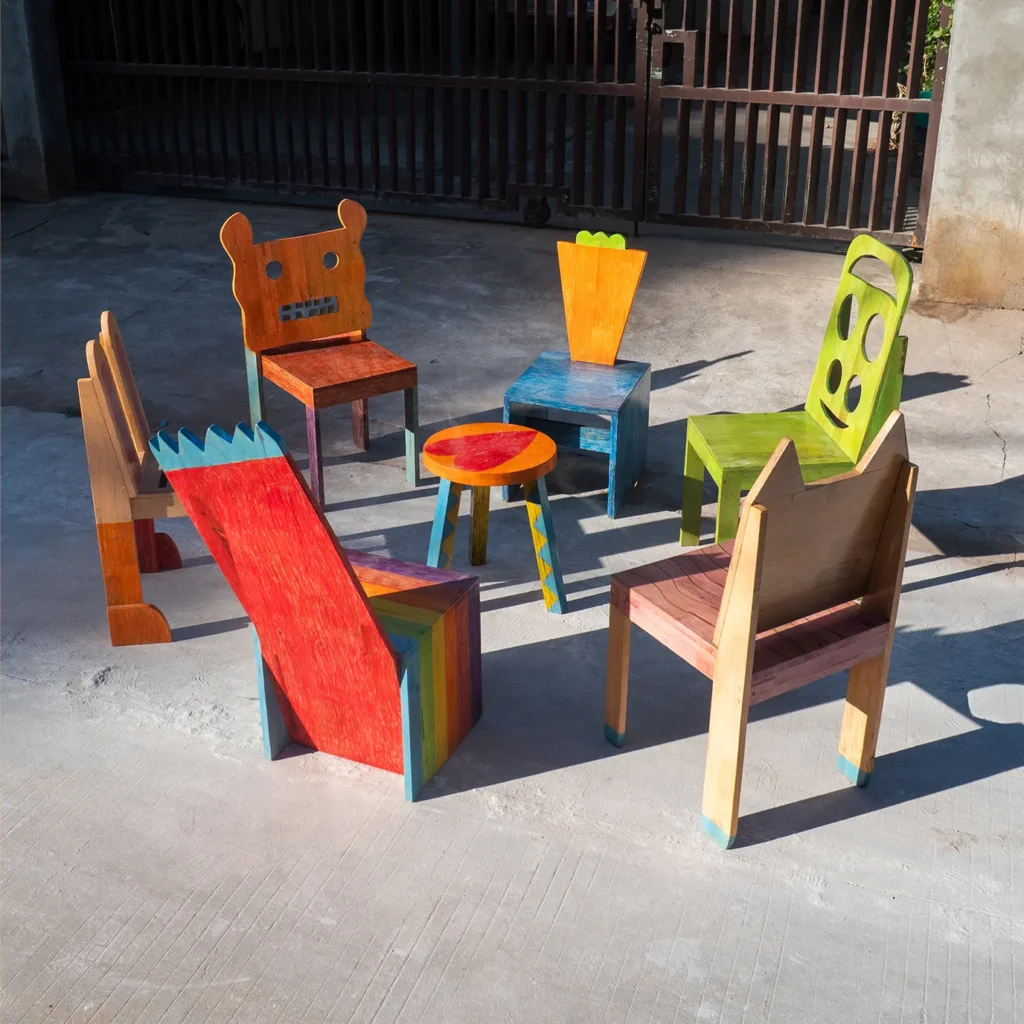
Wouldn’t it be great if children were asked to design furniture they could actually use and then see it made for real? That was the simple idea behind Chairs for Kids, a project by South Korean designer Taekhan Yun.
The idea took shape after Yun visited his parents’ English school in Cambodia. Watching students shuffle and fidget in their classroom seats, he began to wonder why furniture for children is almost always designed by adults, often with little input from the people using it. At the same time, he was thinking about the structure of public education, where art classes can lean heavily on repetition and copying, leaving limited room for experimentation. The project became a way to address both.
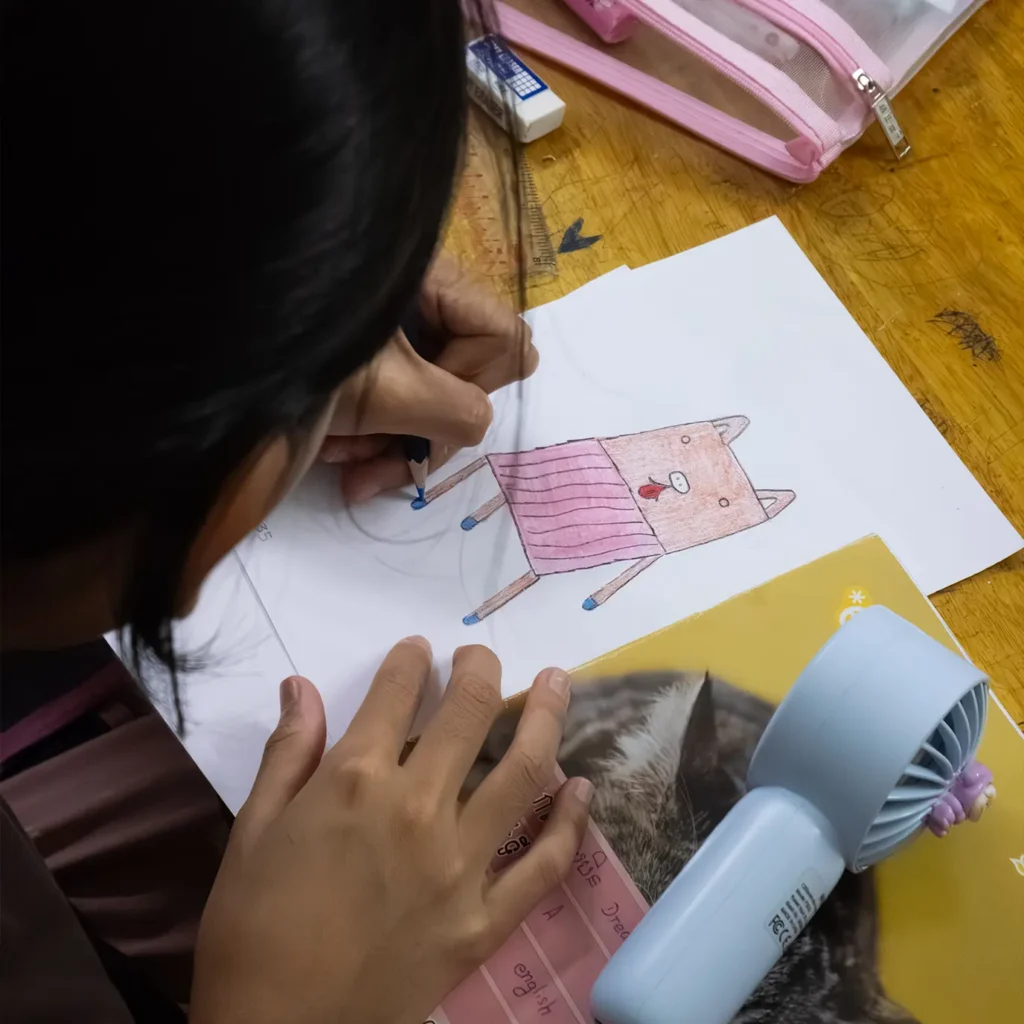
Yun began with a deceptively simple brief: draw a chair or stool. For many of the 70 students involved, this wasn’t as straightforward as it sounded. Some reached instinctively for rulers; others hesitated, concerned their drawings weren’t “right”. The impulse to perfect the design revealed just how closely creativity had been tied to accuracy. “I told them there are no wrong drawings, and that mistakes are important,” Yun explains. To make the point, he shared his own imperfect sketches.
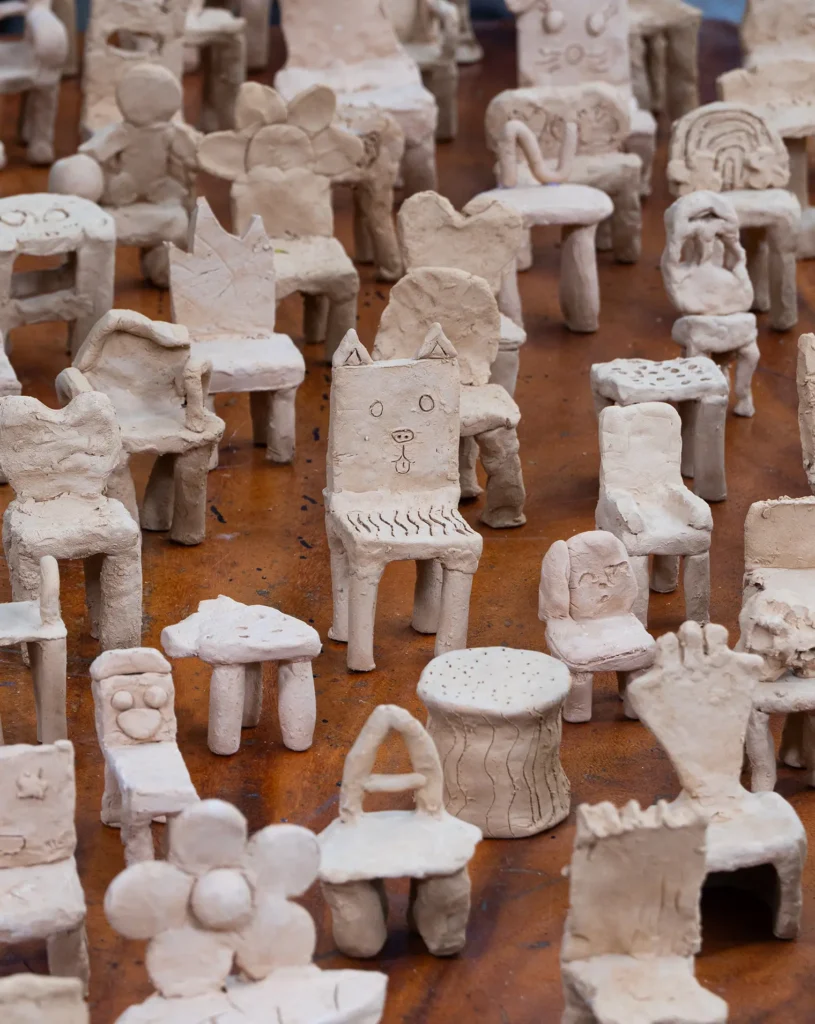
From 140 drawings, the class moved into three dimensions. With each student tasked with creating a clay prototype, a stage that was introduced to raise questions of balance, proportions, and function. For some, the shift from drawing to making proved challenging, with students eager to rush through the process, focusing on finishing over refining. Gradually, Yun noticed a change: attention moved from the end result to the thinking behind it.
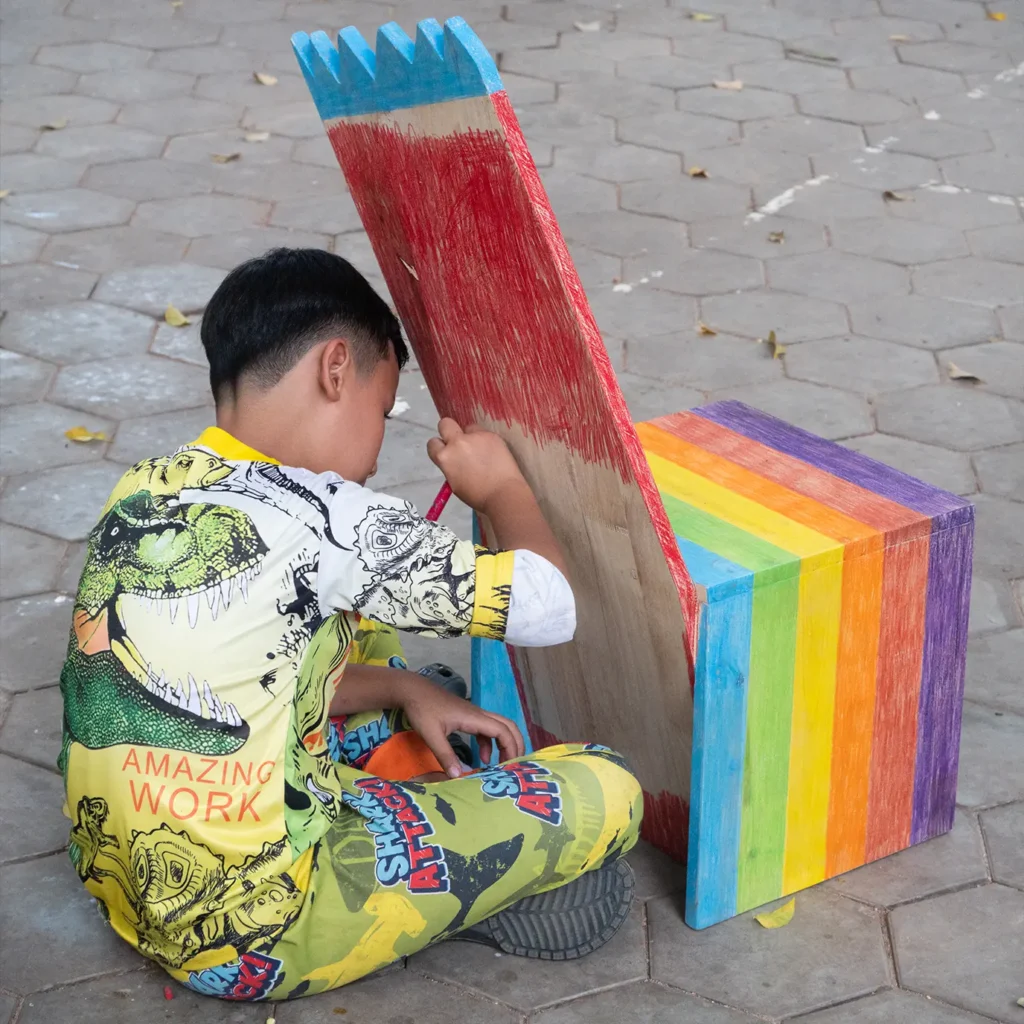
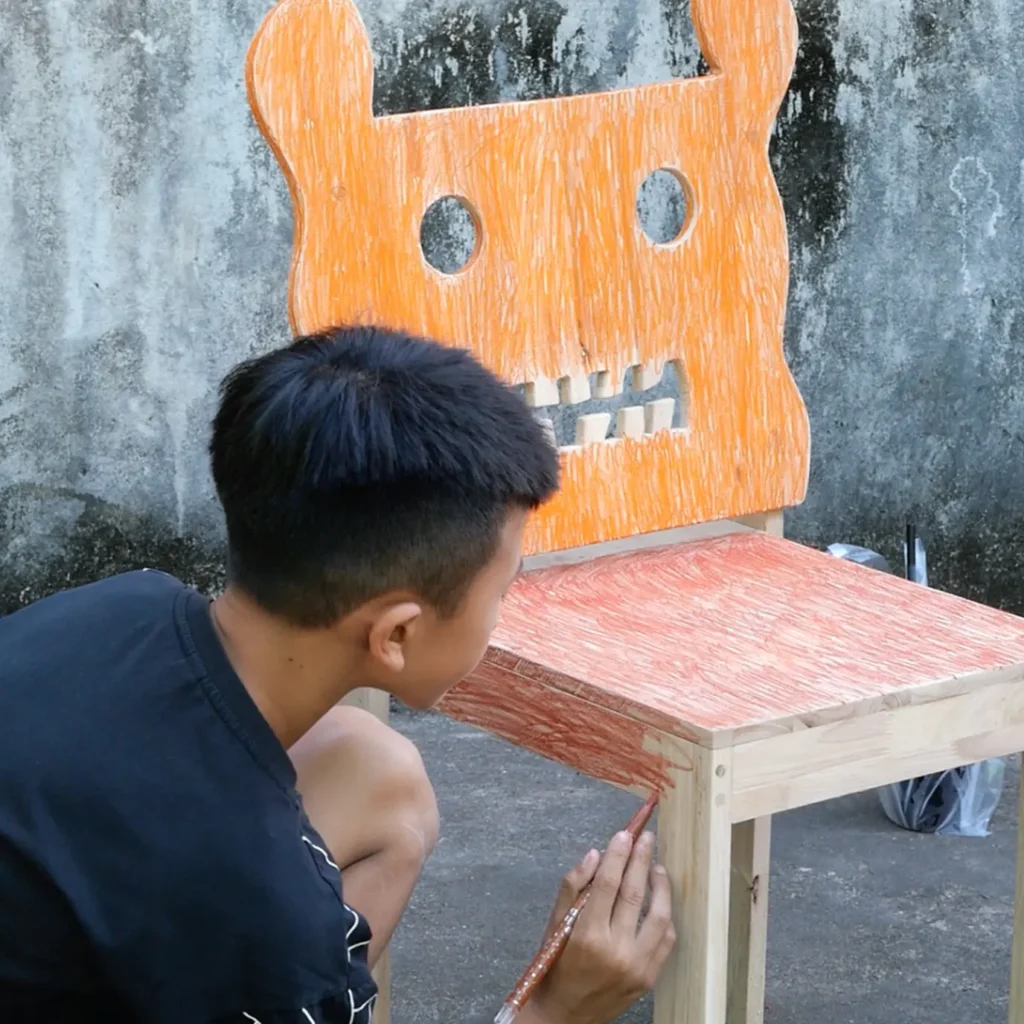
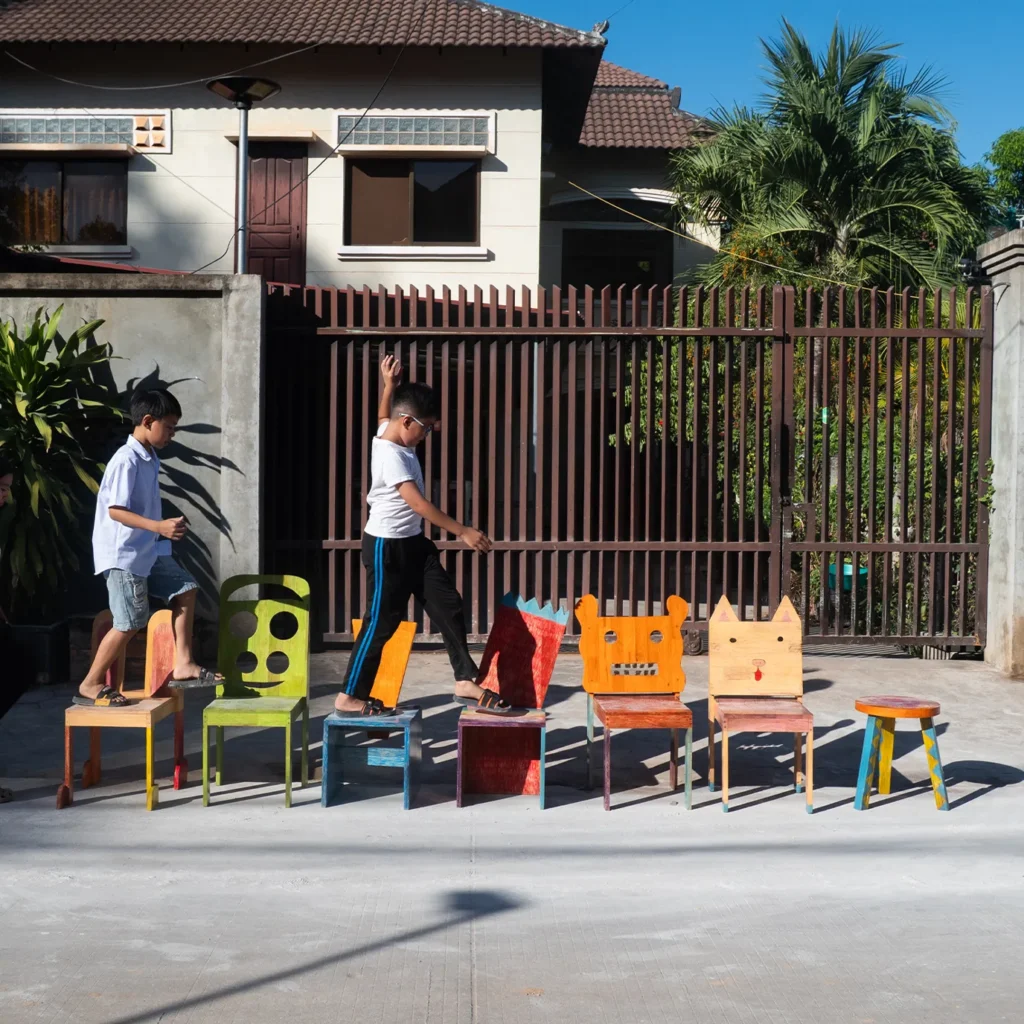
Seven designs were eventually selected for production with the final chairs painted in crayon and acrylic and sealed with varnish. Each one is distinct, bright and unmistakably personal.
What’s great about this project is that, rather than positioning children as recipients of design, Chairs for Kids reframes them as collaborators, suggesting that thoughtful design can begin with a simple shift in authorship and that sometimes the most practical solutions emerge from those closest to the problem.
Trending Now
Meet The Makers: Le Puzz’s Michael Hunter on Vintage Vibes and Modern Mischief. View Article From Beats to Melodies: Innovative Instruments for Young Musicians View Article Studio Anorak Launches ‘Chew’ A Delicious New Mag for Curious Young Foodies. View Article The Art of Seeing: How Photography Helps Kids Develop Creativity and Confidence. View Article The Art of Stillness: Exploring mindfulness for kids and teenagers. View Article